There are birds that sing you to sleep, and then there is the one that steals it away.
In the folklore of Austria and parts of Germany, parents whispered warnings about a creature called the Nachtkrapp – the Night Raven. It wasn’t a gentle lullaby or a moral tale; it was a tale of a shadow with wings, a shape too large for the night sky, waiting for children who stayed awake too long.
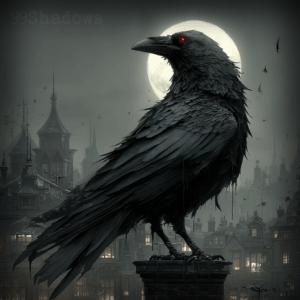 The stories say the Nachtkrapp would perch on rooftops, a massive black bird with hollow eyes. If a child refused to close their eyes, he would swoop down and carry them off into the dark. Some versions are even crueler – the Nachtkrapp didn’t just take the children; he opened his beak and sucked the breath from their bodies, leaving them limp and pale as if sleep itself had been stolen from them.
And then there are the darker whispers . . . In some villages, it was claimed that the Nachtkrapp’s wings dripped poison, that the very shadow of his feathers could strike a child ill. Others said he devoured the moonlight itself, leaving the world darker each night he fed.
Why such a tale? It may have been nothing more than a parental trick – a terrifying bedtime story meant to frighten restless children into staying in bed. But over time, it became more than just a warning. The Nachtkrapp was the embodiment of every unexplained terror of the night: the creak on the rooftop, the flutter of wings against a window, the strange hollow silence when the night birds stop singing.
The Nachtkrapp never became as famous as other monsters, but in the quiet of the dark, you can almost feel why he lingered in old imaginations. Parents may have whispered his name as a threat, but children lay awake imagining him anyway – wings spread wide enough to blot out the stars, circling above until they finally closed their eyes.
And perhaps that was the point. Because even if the Nachtkrapp never comes for you, the night itself always does.
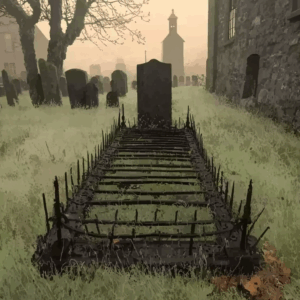 In the late 18th and early 19th centuries, there was a booming black-market trade in corpses. Medical schools were desperate for cadavers to study and dissect, but the law allowed only the bodies of executed criminals to be used. As you can imagine, there weren’t nearly enough of those to go around. Enter the “resurrectionists,” body-snatchers who dug up freshly buried coffins under the cover of night and sold the corpses to anatomy professors. Creepy? Absolutely. Lucrative? Even more so.
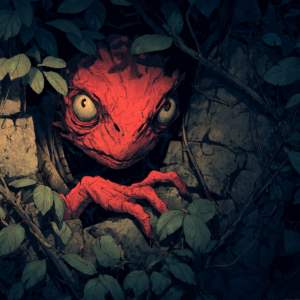 If you happen to doze off, that’s when the nightmare begins. The Yara-Ma-Yha-Who drops down silently, grabs you with its sticky hands, and slowly drains your blood – not enough to kill you, but just enough to leave you weak and helpless. And when it’s done feeding, it swallows you whole. Not a bite here and there – your entire body.