Every village has its legends, but some are stranger – and rarer – than others. In the county of Northumberland in England, nestled among quiet hills and stone cottages, people once told stories of a mischievous trickster known as the Hedley Kow. Unlike dragons or witches, the Kow was not a creature of menace, but one of laughter, illusions, and odd lessons in perspective. While it is an obscure folklore tale today, it once delighted children and puzzled adults around the hearths of Hedley on the Hill.
A Glimpse of the Tale
The story begins with a poor old woman walking along a lonely road at dusk. Life had not been easy for her – her purse was light, and her cupboards were bare. As she walked on this evening, she spotted something lying on the side of the road – an old iron pot.
“Well now,” she thought, “this will do nicely. A pot is always useful, even if it is cracked.” And with that, she decided to carry the pot home. She leaned down to pick up the pot, and to her amazement, the pot was filled to the brim with gold coins! The old woman’s heart leapt. “Fortune smiles at last,” she whispered and quickly tied her shawl around the pot to hide its gleam.
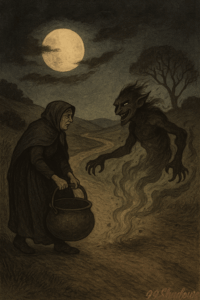
Dragging the heavy pot along the road, she thought of all the fine things she might buy: bread and butter, a new dress, perhaps even a proper Sunday roast; but as the shadows lengthened, the pot began to change. Feeling something amiss, she turned to peer into the pot again, only to find that the glittering gold had turned to shining silver. She gasped, then quickly consoled herself. “Well, silver’s not so bad. Easier to spend…and less likely to be stolen.”
After a few minutes of continuing her trek home, she peeked into the pot again. The silver was gone; in its place lay a heap of sturdy iron. Her back ached from pulling the pot along behind her, but she nodded firmly nonetheless. “Iron’s always useful. I can sell it for a fair price – or mend a gate with it. Better still, it won’t tempt thieves.”
The road wound on, and she pulled the pot along behind her, finally stopping to peer inside once more. The pot had become nothing but a large rock. For a moment, her poor shoulders slumped, but then she chuckled to herself. “Well, a good, solid stone will prop open my cottage door nicely. It’s not gold, but it’s something.”
She reached home and leaned against a fence post to rest before turning to fetch the stone from her shawl to find that the stone was no longer there. Instead, she heard peals of laughter ringing through the night. The rock had sprung to life, leaping and dancing down the lane, cackling in a voice that was neither man nor beast.
It was the Hedley Kow – a shapeshifting spirit of the Northumbrian hills, known for playing tricks on unsuspecting folk. Off it ran, vanishing into the dark, leaving the poor old woman laughing too. “Well, I’ll be! Lucky me, to see the Hedley Kow with my own eyes!” And with that, she went to bed not sorrowful, but smiling, for she decided she had gained more in cheer than she had lost in gold.
What is the Hedley Kow?
Unlike many spirits in folklore, the Hedley Kow was not feared so much as it was tolerated. It was a shapeshifter, known to take the form of pots, animals, or even bundles of cloth. Its purpose was simple: to trick people into believing they had stumbled upon treasure, only to watch their reactions as the treasure turned to dust, stone, or laughter. Yet the Hedley Kow was never cruel; its tricks ended not in ruin, but in surprise and often in amusement. In some ways, it was more a clown than a monster – teaching lessons about greed, expectation, and the fleeting nature of fortune.
Lessons in the Tale
At first glance, the story of the old woman and the pot seems like a cruel joke: she goes from gold to silver to iron and finally to nothing at all. However, the genius of the tale lies in her attitude.
At every stage, she interprets her changing fortune positively:
- Gold was wealth beyond measure.
- Silver was safer and more manageable.
- Iron was useful for work and trade.
- A stone even had a place in her humble home.
Instead of despairing, she adapted, and in the end, even the revelation of the Kow left her laughing. In this way, the story isn’t really about being tricked. It’s about contentment, resilience, and the gift of humor.
Why It’s Obsure – and Why It Matters
The Hedley Kow comes to us from Joseph Jacobs’s 1894 collection More English Fairy Tales, in which he preserved stories passed down through oral tradition in Northumberland. Unlike giants, fairies, or Arthurian legends, the Kow never found wide fame outside its region. Perhaps this is because its lessons are gentle or its nature is too odd to spread broadly. But this obscurity is what makes the tale valuable. It captures a distinctly local spirit: a Northumbrian sense of humor, a glimpse into the mindset of ordinary villagers who lived with little and laughed at much.
The Hedley Kow is more than a mischievous sprite; it’s a reminder that sometimes fortune is not in what you have, but in how you see it. The poor old woman never lost her joy, no matter how her treasure transformed. In fact, the final trick gave her the greatest gift of all: the rare chance to laugh with a spirit of legend.
So the next time your life shifts your gold to silver or your iron to stone, remember the Hedley Kow – and try to see the fortune in what you do have, rather than the misfortune in what you don’t.
 One of my earliest childhood memories is waking up in my bunkbed one morning (I slept in the upper bunk since I was older than my sister). The head of our bunkbed was against the southern wall of our bedroom, and the right side was against the east wall. The walls were painted pale blue. We were living in a small white house that my parents rented around the corner from my maternal grandparents.
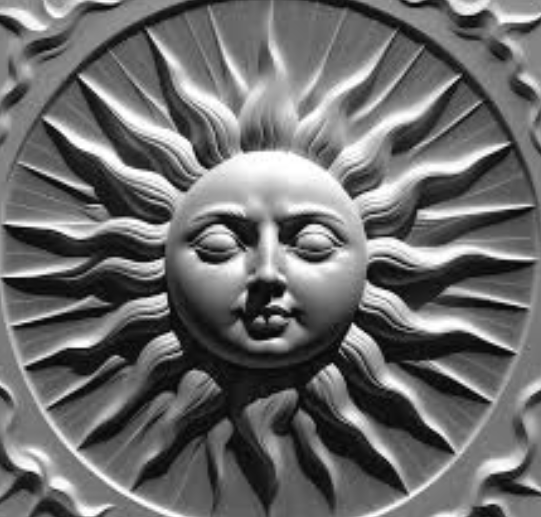
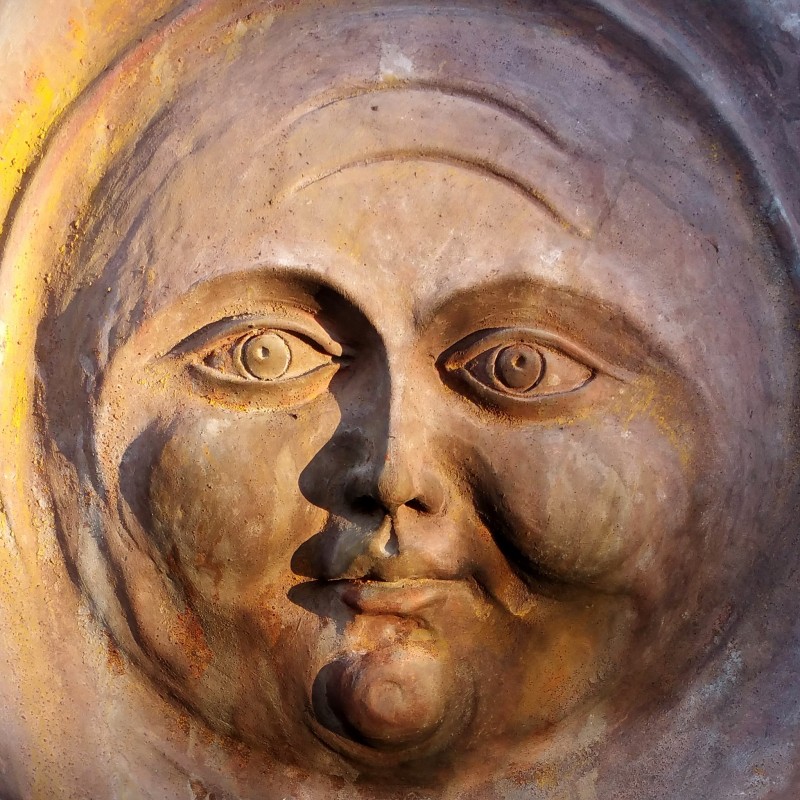 When I woke up one particular morning, on the wall beside my bed, I saw three figures in all I can describe now as bas relief. The first figure was a sun, the second a moon, and the third a deer (at least that’s what my child-brain interpreted it as; it had elaborate antlers, so it was a stag). I’ve tried to find images that most closely resemble what I saw. I am pretty sure the sun and moon both had faces.
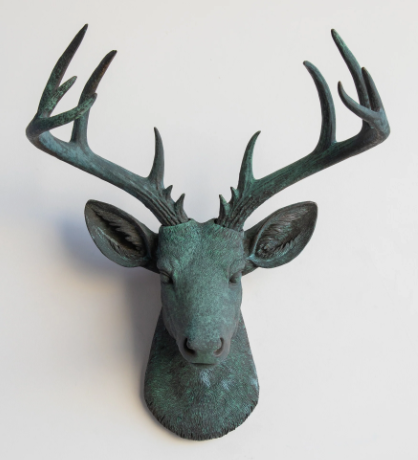 east side of the house to see if the stag’s body was sticking out of the side of the house. I recall a feeling of confusion when there was nothing there, as well as disappointment.
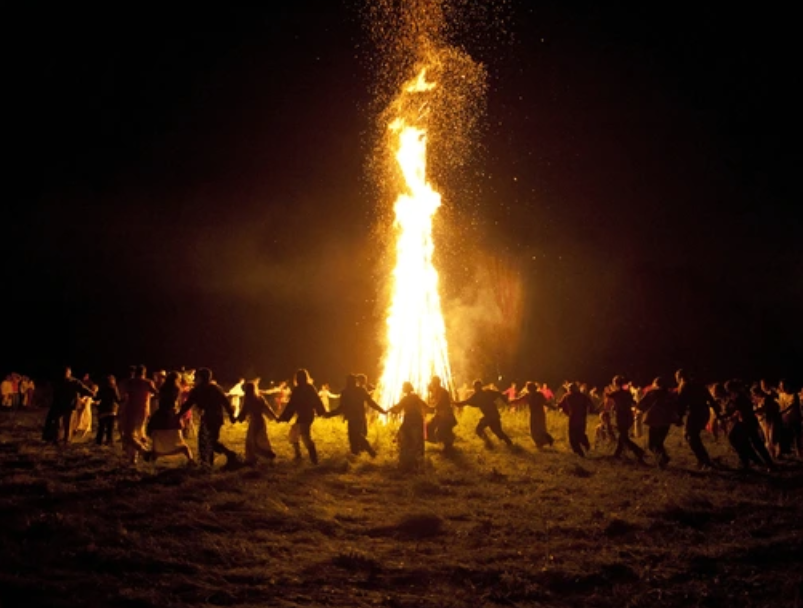 Ed and I were parked in the main parking lot at Lake Nippenicket, which is also known locally as The Nip. We were in my 1975 Ford Mustang, probably making out. Across the lake from us, we noticed a huge bonfire on the beach, with several people dancing around it. Ed thought it might be some friends of his, so we decided to drive over there and check it out. He drove, since he knew the way in and out of that part of the Nip. It was bumpy old dirt roads (not ideal roads for a Mustang).
 nothing. It was also dead quiet. If it was further along the shore, we’d have at least seen a glare from the fire reflecting off the water and we definitely should have heard voices. We saw and heard nothing, and there was just this creepy feeling while we were there.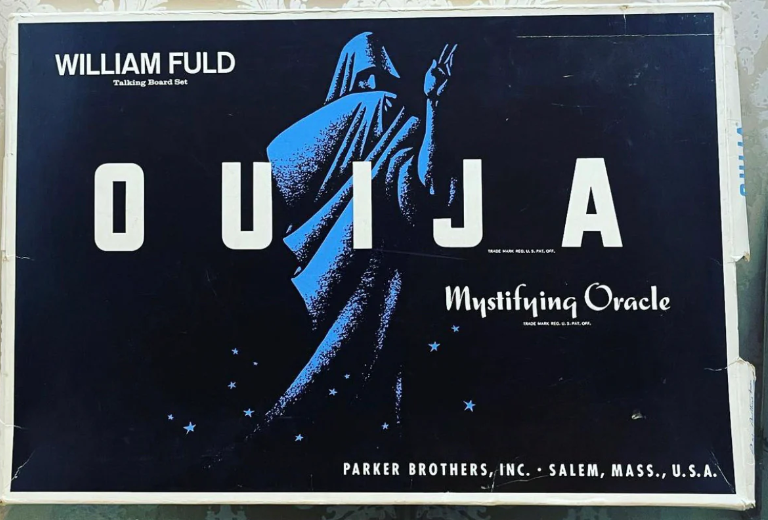
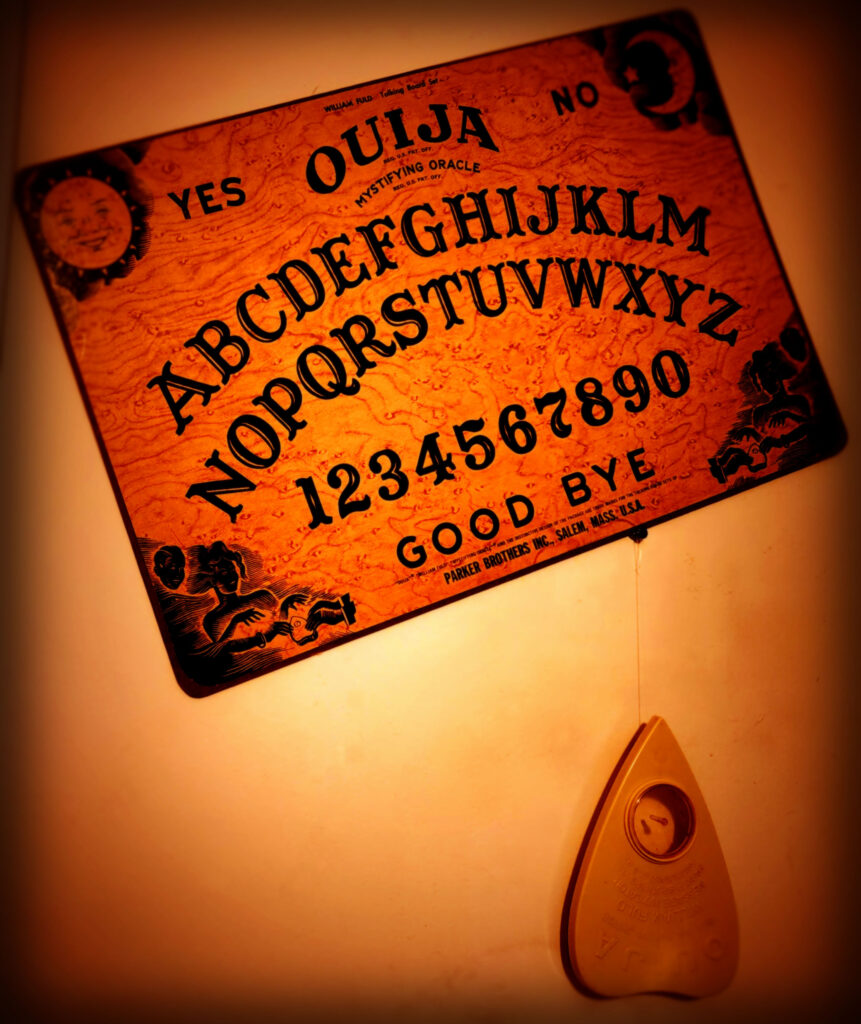 Pulling it out of the box in the early 2000s, though, the planchette is fully intact, pointer and all, which is weird. I mean, I know we never replaced the planchette. The board pretty much just languished in the back of that closet shelf until my brother gave it back to me. I know the pointer was missing in the 80s, but now it’s fully intact. The Ouija board now hangs on the wall of my home office behind me (actual pic to the right here), and I have the planchette hanging from a piece of fishing line. I haven’t actually used it since I was a kid. After the Belief Hole episode, I’ve thought about pulling it down off the wall and giving it a go, but I don’t know if I will. BUT, I will share a story about an experience that I had with a Ouija board in high school.
 I’ve spent a lifetime learning to love myself and embrace myself for exactly who I am and who I have become. That person is not someone who is set in routine and structure. She’s spent decades learning to keep her inner child alive, to be a free spirit and enjoy the things that give her pleasure. She spent the majority of her first 17 years almost completely friendless – her only friends were her dog, books, and music, in that order, and she lived inside her head. The older she got, the less closed off she became, and she began, bit by bit, to allow people into her world. Even all these years later, the number of people in that world can be counted on the fingers of one hand…because it’s a very exclusive world and only very special people get to enter the gates. They’re the ones who see her weirdness, acknowledge her weirdness, and love her anyway. When one of those people turns against the world – they (exes, ex-friends) get shoved out the front gates, and the world inside shrinks a little; she pulls it inward and the gates remain locked for a good long while.





 expired in 2016 because I missed a payment and by the time I realized it, it was too late to get it back. Imagine my horror when it “reappeared” online as an…eyeshadow blog.
  smaller homes, most without basements, that had started their lives (as my childhood home had) as summer cottages, several of them occupied only by their Boston area owners during the warmer months.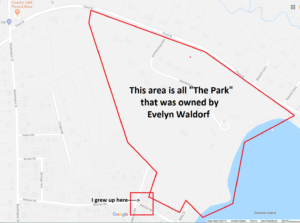
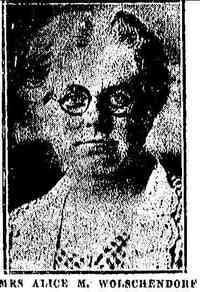 Reading moved for sentence next Tuesday. The murder indictments have not yet been nol prossed.